I won’t lie; this is hard. Getting kids off their iPads or Nintendo games is becoming so complicated. Encouraging kids off-screen time can be quite challenging. I have mixed feelings about it. Part of me thinks it’s okay for them to learn safely, but I’m also very concerned about the online games and viewing options that could lead to danger. Introducing more off-screen time for kids can help to alleviate some of these concerns.
If your kids are anything like mine, they’ve probably fallen back into the screen trap during the school break. My child seems to have a permanent attachment to his iPad. I’m constantly on the lookout for ways to strike a balance and encourage him to spend less time on screens. This seems more challenging during the holidays, as he’s usually outdoors with his cousins or friends during term time. Balancing kids off-screen activities with digital time is crucial for maintaining a healthy lifestyle.
Due to the COVID-19 pandemic and hybrid distance learning models, many children are incorporating more online learning into their school day. Some say that’s why it’s more important than ever to reduce the use of electronics for the rest of the day. Emphasising off-screen activities for kids is vital to counterbalance the tablets and computers they use for school.
While screen time has become a part of our daily lives, there are many benefits to reducing screen time, including improved physical and mental health, decreased obesity, and more time for play and exploration. This is especially important for children who spend much time learning on computers and tablets. When kids are at home, they can use their break times to be physically active just like they do at school. When the school day is over, it’s essential to have a plan to put away devices somewhere out of sight and find other ways to engage kids in off-screen time.
Personally, I’ve found a strategy that works for us. My child is only allowed screen time on weekends. It’s not always easy, but it’s a rule we stick to, promoting more off-screen activities the rest of the week.
According to research, the average time spent on screens is seven to 10 hours. Ensuring kids off-screen time can significantly cut down these hours.
-
No screen time for children under 2, which naturally promotes off-screen activities.
-
One hour per day for children 2 to 12
-
Two hours per day for teens and adults
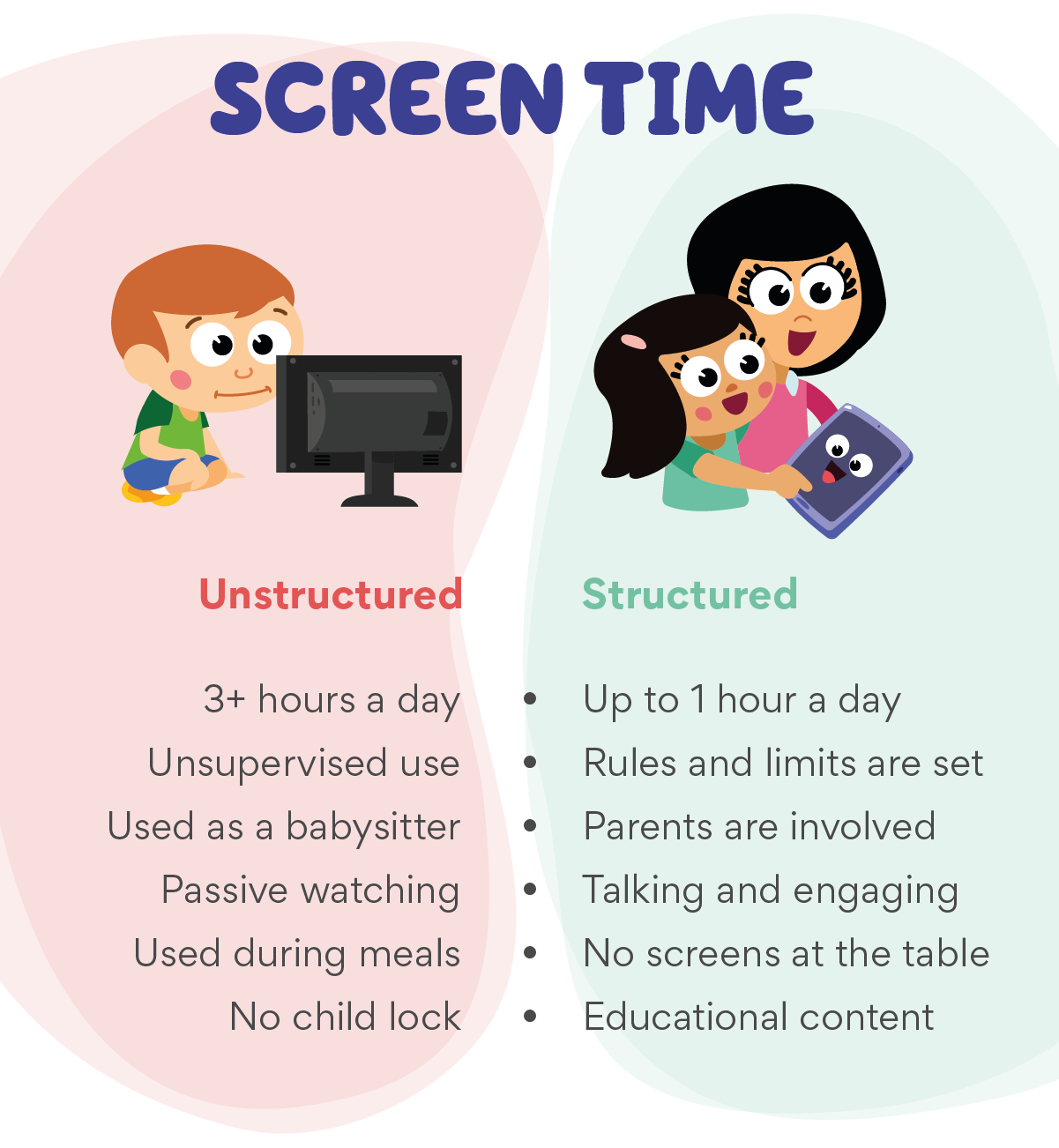
Limiting screen time helps parents monitor their children’s online experiences, reducing potential dangers. Balancing screen time by increasing kids off-screen activities can be beneficial.
While more research is needed to fully understand the effects screen time levels have on kids, Too much screen time puts everyone at risk of obesity, and it’s linked with sleep disturbances and can affect relationships too. For kids, especially teens, there are studies concerning the negative effects of screen time; the issues related to it are anxiety, depression and short attention span. Increasing kids off-screen activities may help mitigate these effects.
May I add that we adults can have the same negative effects.
During the holiday season, I like to engage in different activities with the kids. For instance, on Christmas, we can go for a walk to see the Kew Garden lights, visit Santa’s grotto in various locations, check out Christmas markets and ice rinks, and enjoy the beautiful Christmas wonderland with lights all around. There are also other festive events during the Christmas holidays. Similarly, during the summer holidays, we take part in various outdoor activities that support off-screen time for kids.
I find the more kids stay home, the more they are prone to getting complacent with screen devices. Promoting kids off-screen time is particularly important when at home.
These 6 tips can help you trim your children’s screen time when not in school:
Set realistic goals
Set expectations with your kids, and set goals to reduce screen time intentionally in favour of off-screen time.
Cut screen time slowly.
If your kids are spending a lot of leisure time on screens, including watching TV, start by setting smaller, more attainable goals. Instead of jumping right to the recommended one to two hours or less per day, start by cutting their current screen time in half to encourage off-screen activities.
Bond with the kids
After school or work, talk face-to-face with kids each day and give them your full attention. This interaction promotes off-screen time for kids.
Put all screen devices away.
During screen-free hours, put devices away or at a charging station in a common area so they’re not attracting your kids’ attention, promoting more off-screen time.
Create Tech-free zones in the home.
Making family meal areas like the dining room a Technology-free zone is an easy way to start. (this is a bit hard, but let’s try) These zones can significantly increase off-screen activities for kids.
Go outside.
If you enjoy spending time outdoors, putting down the phone, taking a walk, or playing outdoors increases your endorphins and provides that feeling of happiness in your brain, boosting your mood and improving your physical health. It’s a great way to boost off-screen time for kids.